
Pain-free orthodontics in Szeged
Regardless of age, we provide a personalised solution for achieving a flawless, well-ordered smile.
You can regard the orthodontic treatment planned by our specialists as a health and beauty investment that you will be able to benefit from for a lifetime. Beyond achieving an aesthetic set of teeth, orthodontics also plays a role in restoring chewing function and thus in improving quality of life.
The aim of orthodontic treatment is to address all these problems together by creating harmoniously fitting, regular dental arches.
Why is it worth getting started?
- Bite disorders can make chewing, speaking and breathing more difficult — due to improper contact the teeth can become overloaded, which can later lead to tooth loss.
- In the case of crowding, cleaning is more difficult, which leads to gum inflammation and tooth decay.
- An incorrect bite can also result in jaw joint problems (e.g. pain, clicking).
The aim of orthodontic treatment is to address all these problems together by creating harmoniously fitting, regular dental arches.
Adult orthodontics — it's not too late to start
Orthodontic treatment is possible in adulthood too. With a harmonious, confident smile we radiate positive energy — and besides aesthetic needs, we cannot ignore the medical and health aspects either. Adult orthodontics can also be necessary when preparing for restorations: if there is little space for an implant and our goal is to open a gap with the appliance; or when uprighting teeth that have tilted next to a gap; when eliminating front crowding, and in many other cases.
Today, depending on the severity of the changes and according to the treatment goals, a wide variety of appliances and technologies are available to us. However, it should be known that jaw growth can no longer be counted on in adulthood — the proper treatment of a complex dento-skeletal change can sometimes mean jaw-repositioning surgery. For those who find traditional metal braces disturbing, invisible orthodontics is a great alternative, and within that the professional Clear Correct™ system used in our clinic.
Childhood orthodontics — off to school!
Regular dental check-ups for children are important, since the changes that may make orthodontics necessary can be screened early. An open mouth posture, obstructed nasal breathing and a speech impediment can also be warning signs. It is worth bringing your child to our clinic for a first consultation already at 6-7 years of age.
At this point we assess the growth tendency, the expected timing of tooth eruption, and screen for any disorders developing due to childhood bad habits. We do not have to wait for all the milk teeth to be replaced — even before that, removable appliance treatment can be started. This is the most effective period, since we can influence and guide the growth of the jaws. If we miss this, some disorders can later only be corrected by surgical methods.
Using functional appliances
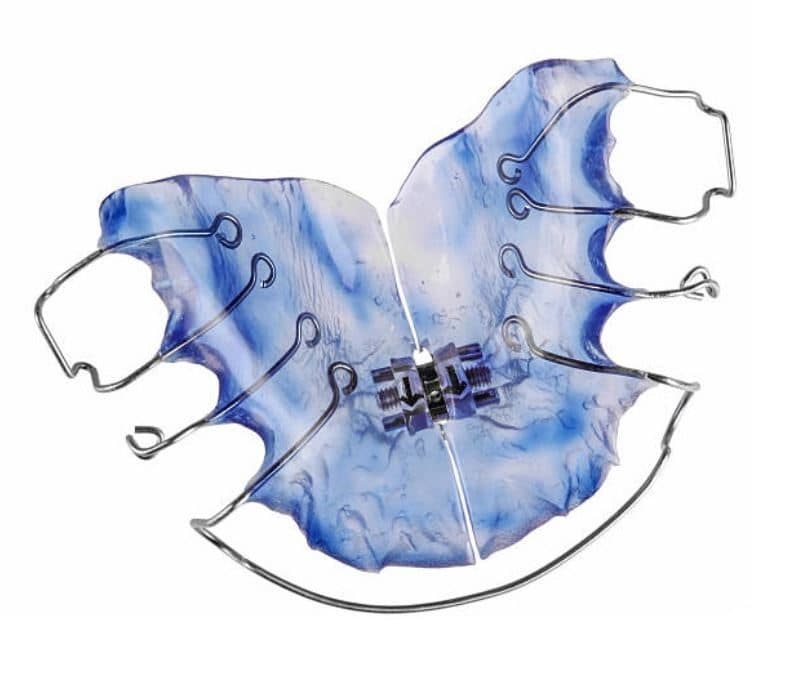
Many people incorrectly call these “night appliances” — however, for effectiveness they need to be worn a minimum of 12-14 hours a day. The functional treatment can be followed by a second phase with a fixed appliance, when we set the flawless bite. In some cases the removable appliance alone may be enough.
The course of the treatment
- 01
First consultation
At a pre-arranged appointment we discuss the needs and the goal to be achieved. Functional examination, oral hygiene and assessment of the condition of the teeth. Perfect oral hygiene and the treatment of existing decay are basic requirements, since after placing the appliance cleaning and other dental care become more difficult. - 02
Documentation
Taking X-rays, photos and impressions. Based on the evaluation we determine the exact treatment plan. It is important that by this time the patient has orderly oral hygiene and dentition. - 03
Treatment plan and quotation
A detailed discussion of the personalised treatment plan and the presentation of the quotation. We place great emphasis on everything being understandable — if you agree, the appliance order begins. - 04
Placing the appliance
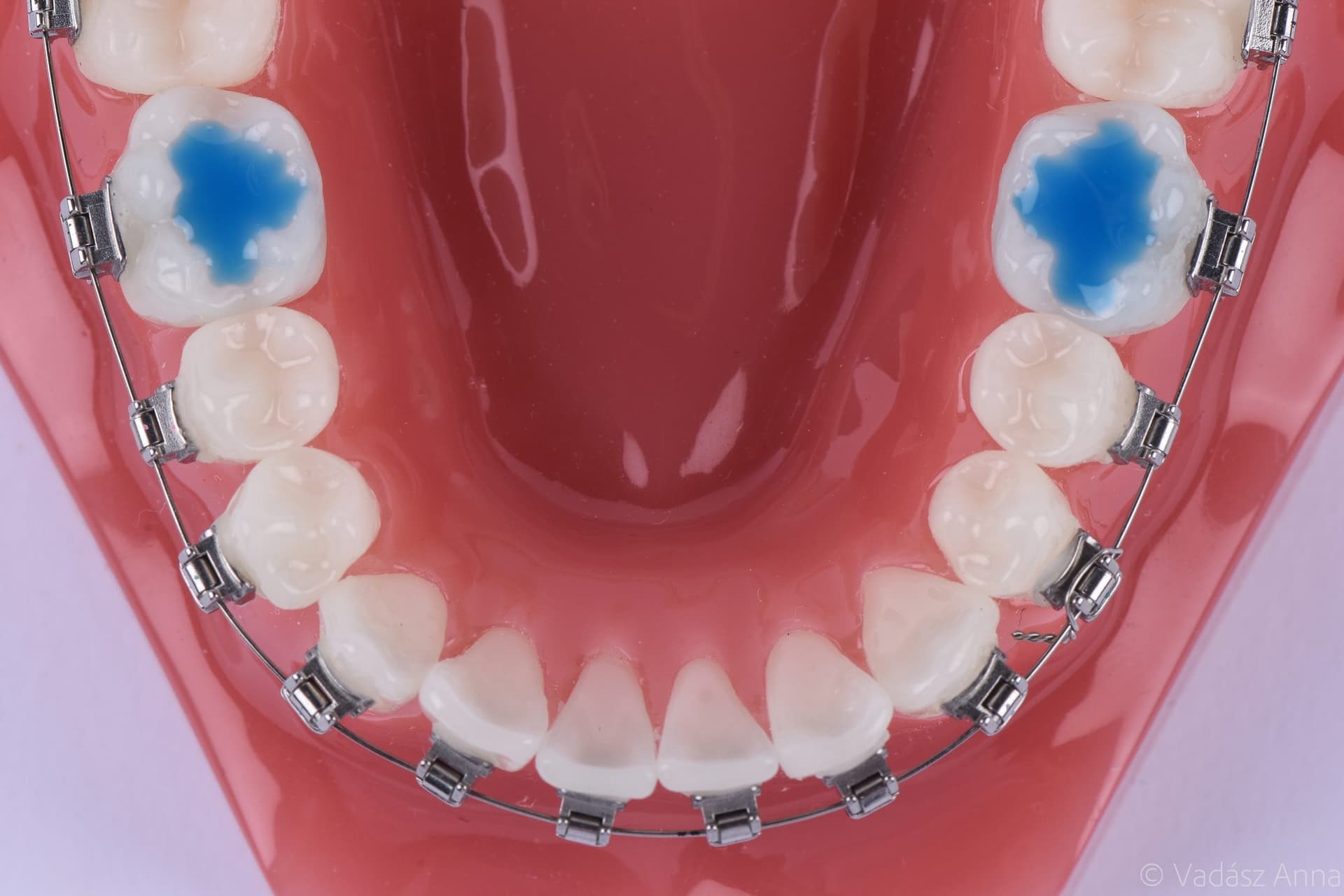
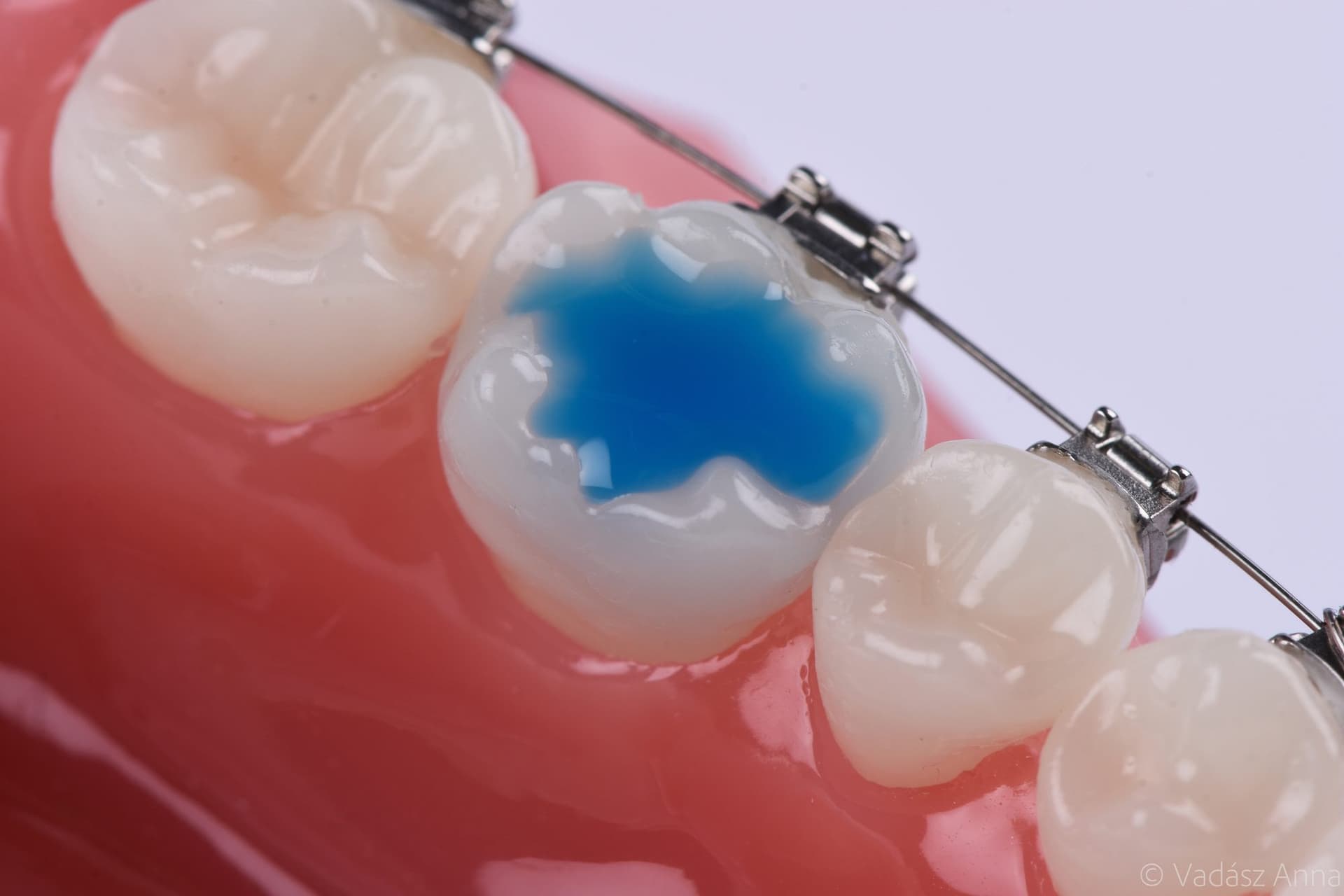
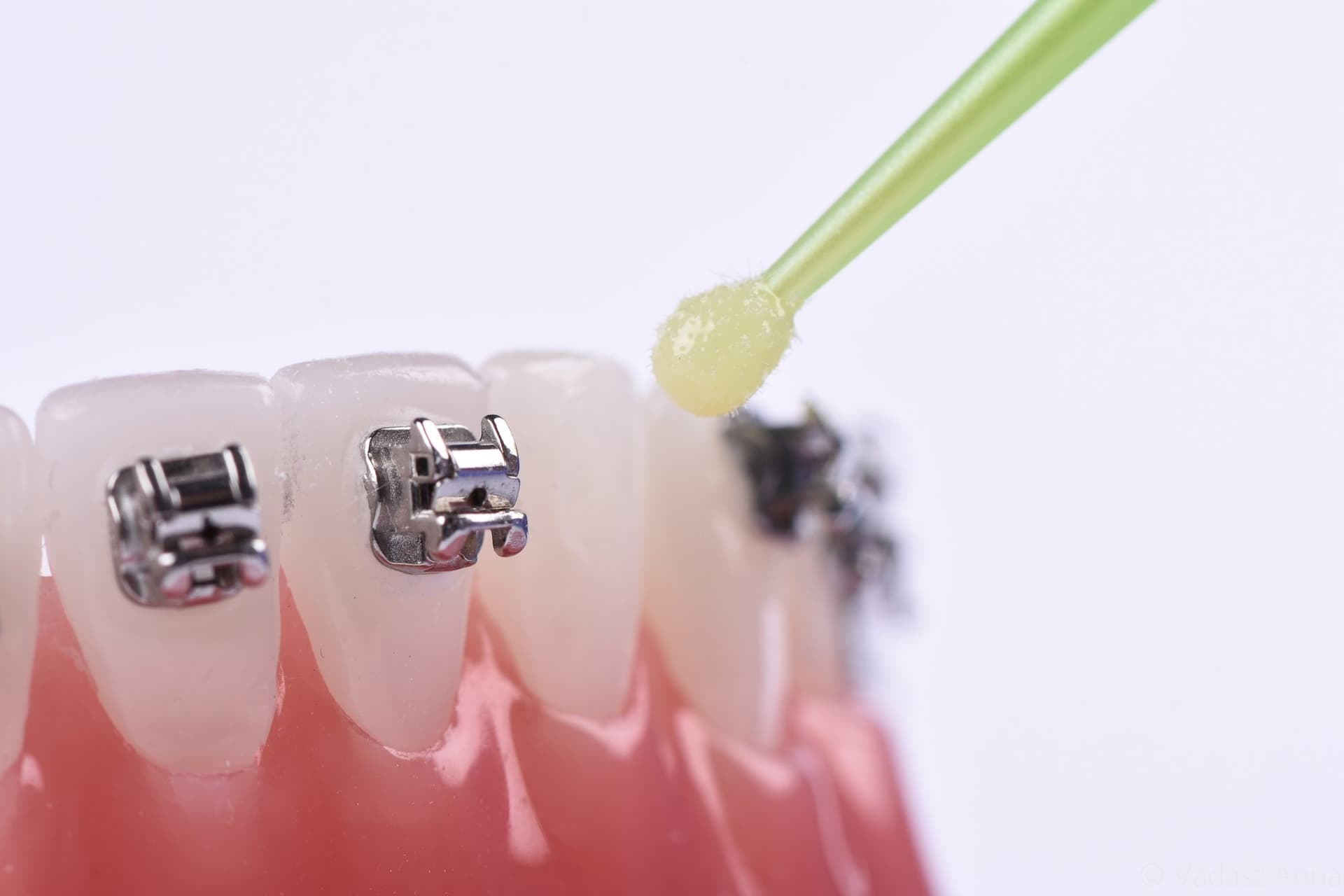
Bonding the fixed appliance is precise work, since the position of the brackets determines the future position of the teeth. Modern adhesives protect the tooth, release fluoride and set immediately under the light of a special lamp. After this we give you practical advice: sensitivity, eating, brushing with the appliance. - 05
Activation and check-up
With a fixed appliance, regular (usually monthly) check-ups must be ensured. This is when the check, and if necessary the archwire change and the placement of elastic elements and springs, takes place. After activation there may be a few days of tooth sensitivity.
Orthodontic appliances
Nowadays almost any dental disorder can be remedied with the appropriate appliance. In terms of the way they are attached, we distinguish between removable and fixed appliances.
Removable appliances
Devices that can be easily removed by the patient, usually made of plastic but which can also contain metal parts (labial arch, wire clasps, screw).
Advantages
Disadvantage
Traditional fixed braces
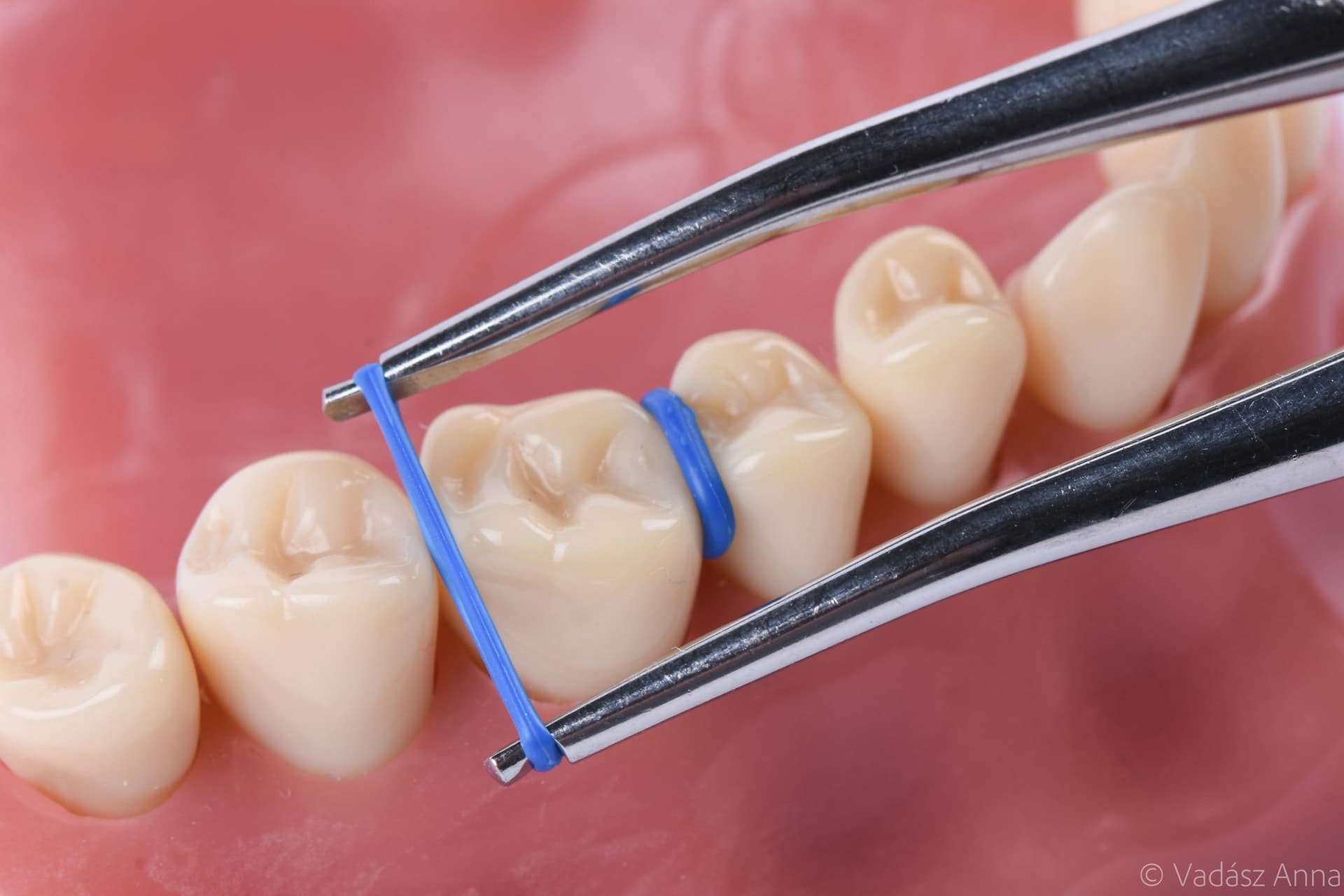
The brackets and the archwire are held in place by a wire or elastic ring, which must be replaced at every activation.
Advantages
Disadvantages
Self-ligating fixed braces
The more modern group — a locking mechanism built into the bracket holds the archwire, without an elastic or wire ligature.
Advantages
Disadvantage
Invisible braces — Clear Correct™
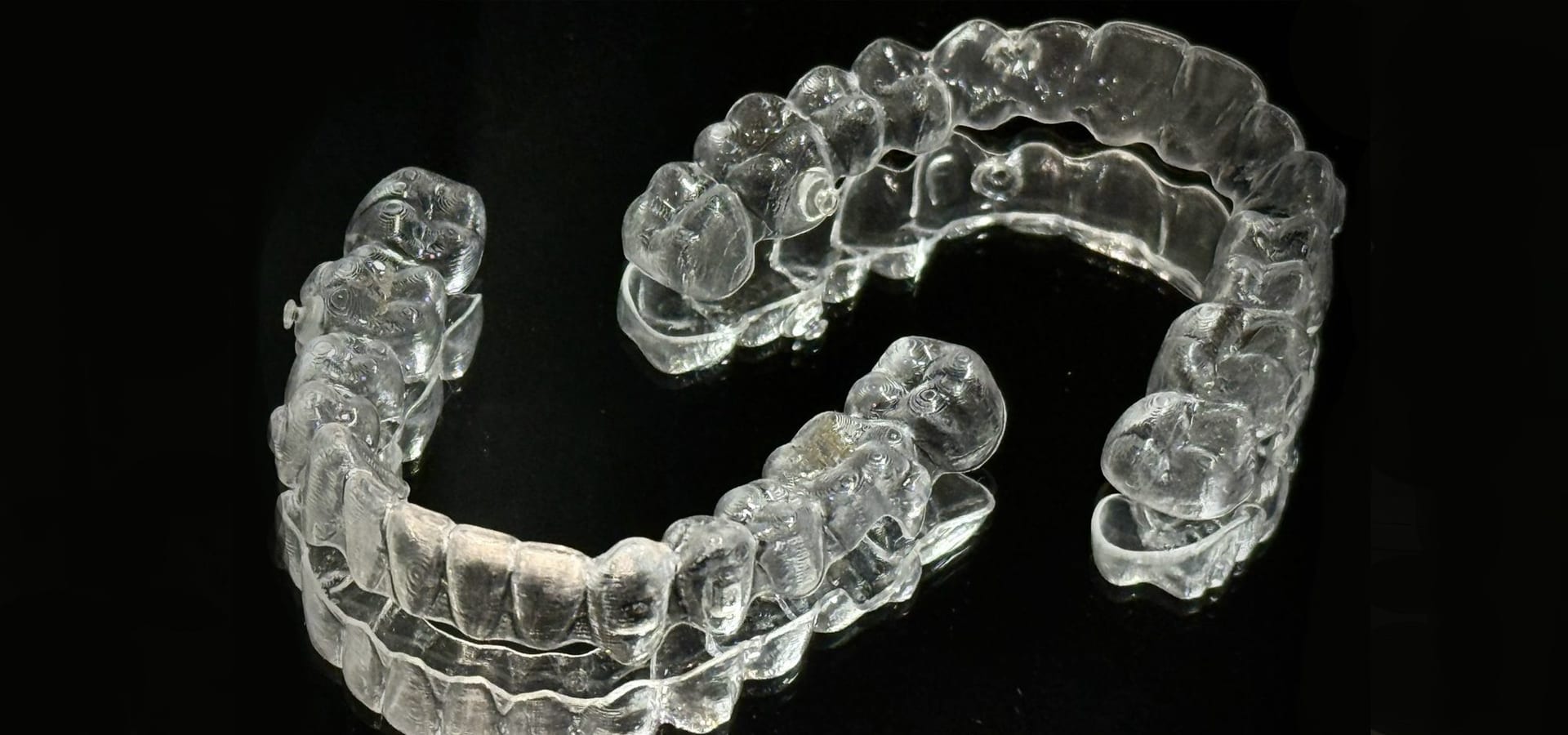
A computer-modelled system of transparent trays (aligners). Thin, thermoformed or 3D-printed foils made on pre-designed setup models — the treatment consists of a series of aligners that follow one another and move the teeth in tiny steps. Clear Correct™ is the system of Straumann, a company well known in the field of dentistry and implantology.
Advantages
Disadvantage
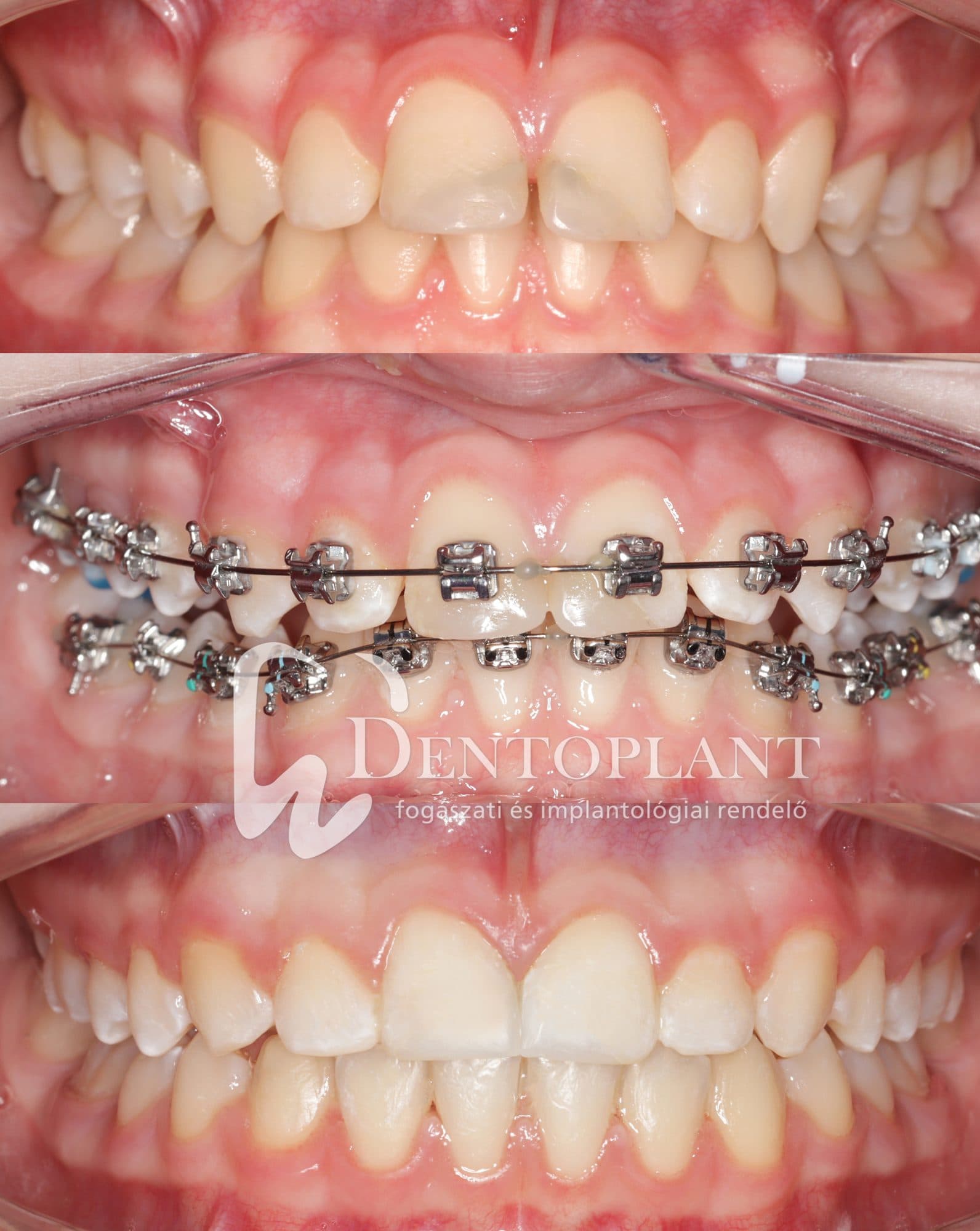
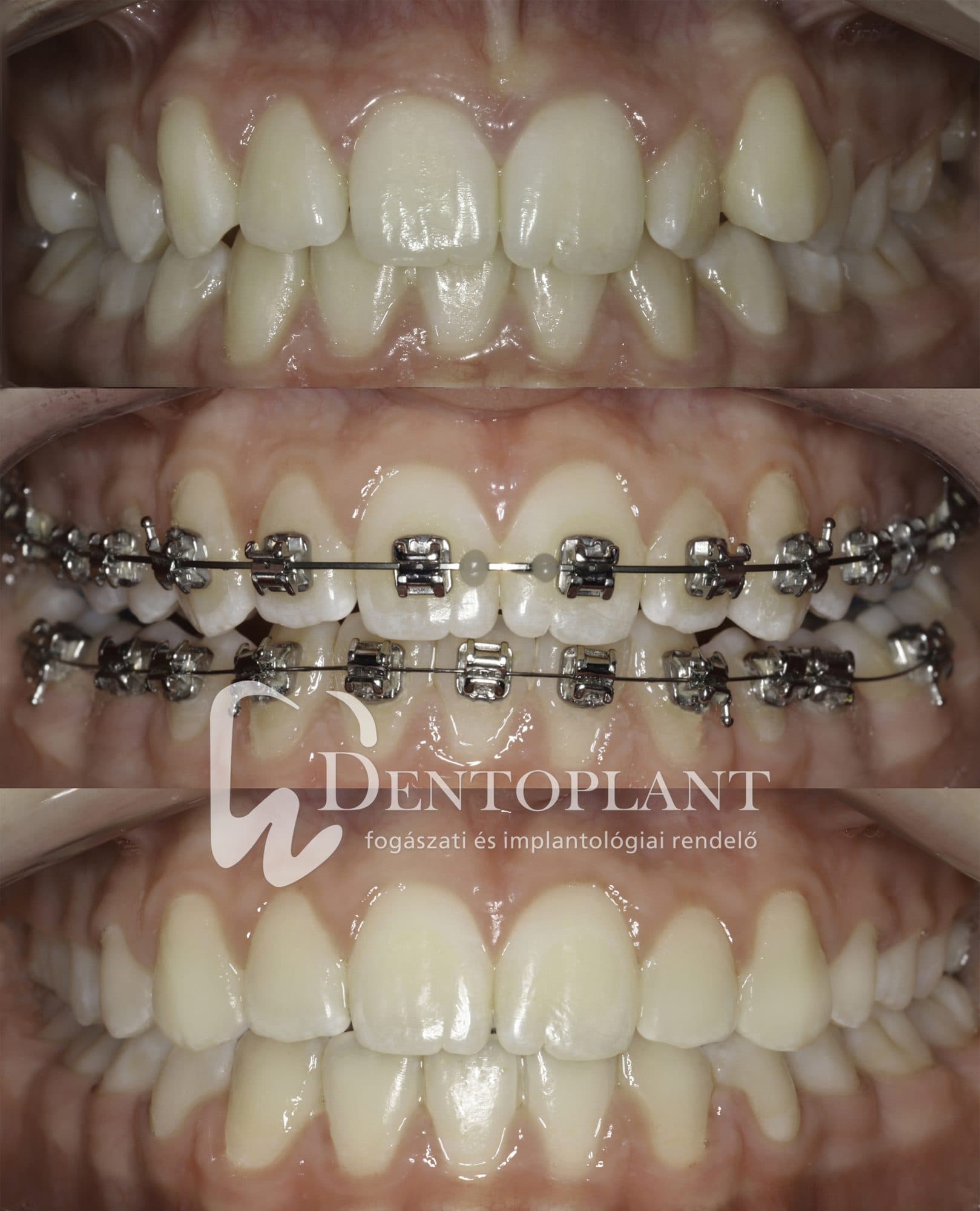
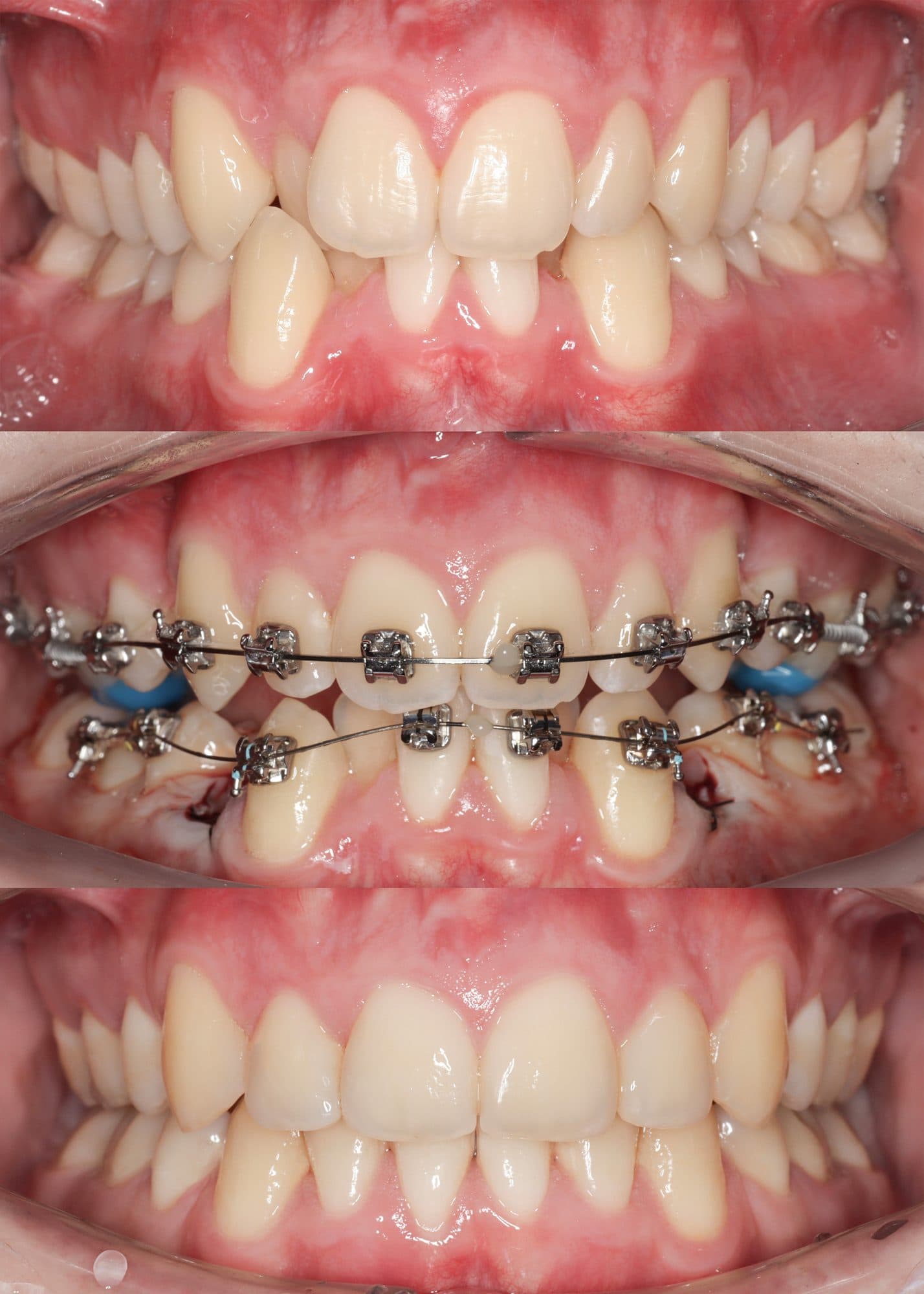
Cases — before and after
A few treatment results: the pairs fade slowly between the starting and finished state.
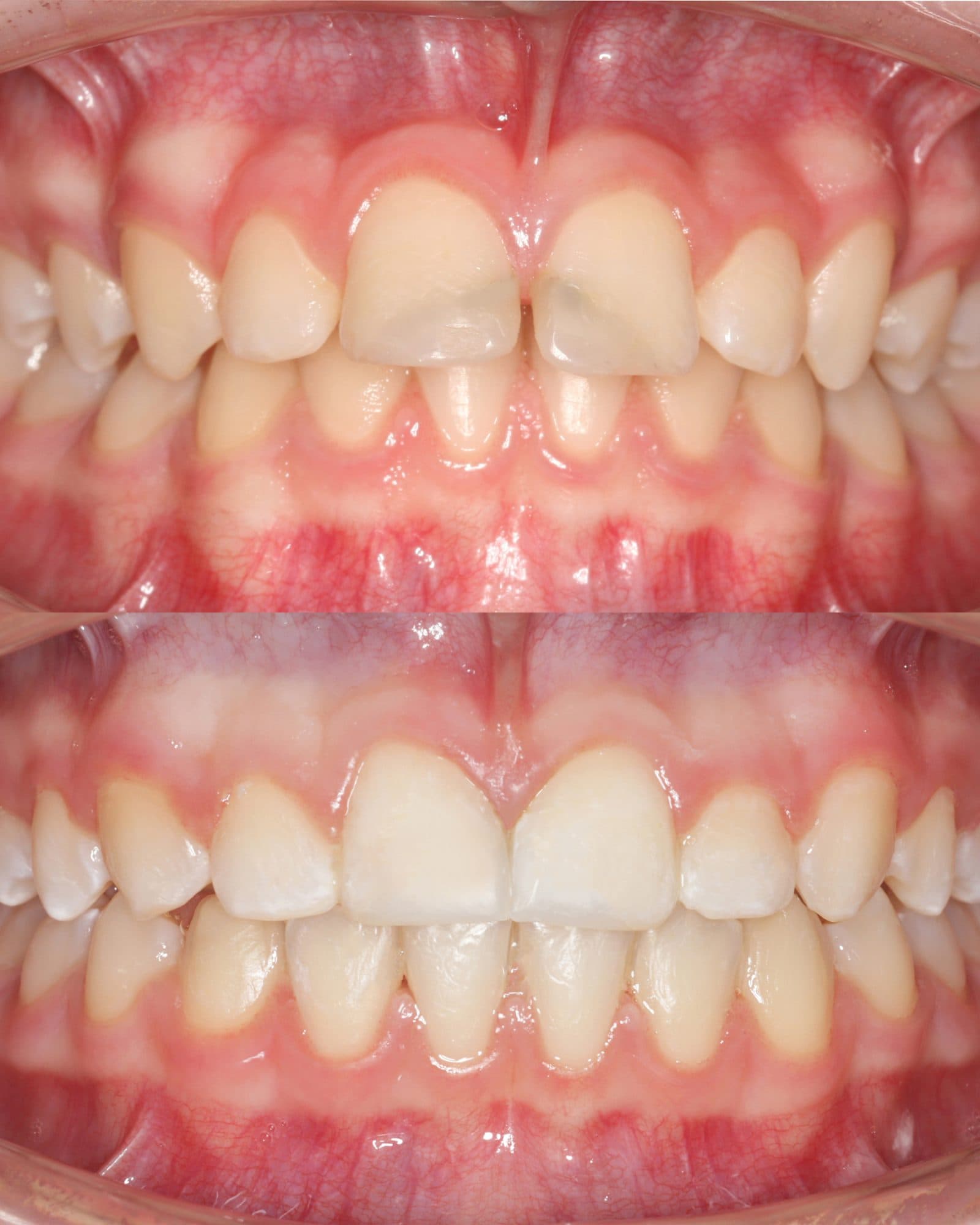
The plan is always set by bite, aesthetics and oral hygiene together.
Invisible orthodontics with clear trays, aligners
Invisible orthodontics is a computer-modelled system of transparent trays — aligners.
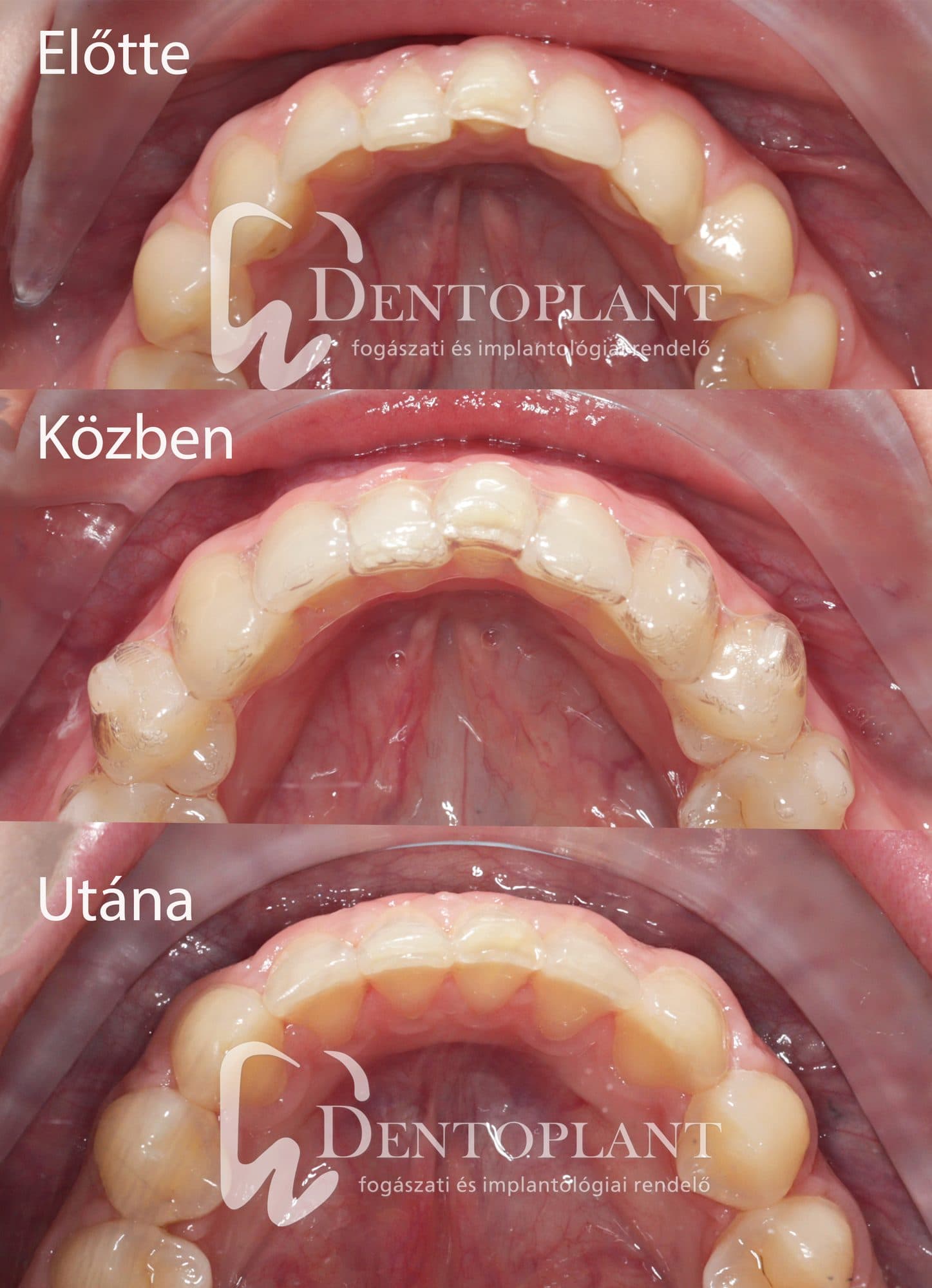
Aligners are thin thermoformed or 3D-printed foils made on a planned setup model. Treatment uses several trays: each step has a setup slightly different from the last. The sequence of small steps is the treatment. Changes can be planned accurately with computer simulation.
How aligner treatment proceeds
If the bite discrepancy can be corrected with aligners, we take a digital impression with an intraoral scanner, standardised oral and facial photos, and X-rays or CBCT. Data go to the lab with precise instructions. The software splits the path from start to finish (for example a tooth may move at most 0.25 mm per tray). After the plan is approved, trays are thermoformed on 3D-printed models or printed directly.
Starting treatment
More complex cases can also be treated, but they need expertise. Attachments and interproximal reduction (IPR) may supplement movement. Placement steps:
- Isolation — keep the tooth surface away from soft tissue and saliva
- Thorough cleaning
- Etching with orthophosphoric acid for 30 seconds, rinse, dry
- Bond, light-cured
- Bonding attachments with the lab template
- Pain-free interproximal reduction if needed
- Try-in, instruction, photography
What happens at check-ups?
Visits are short, about 15 minutes: we check that everything follows the plan, take photos and hand over the next trays. Usually every 4–6 weeks.
Life with invisible braces
Trays should be worn 22–24 hours a day, removed only for brushing and eating. One aligner is usually worn for 2 weeks. Changing too fast raises complications. If a tray does not fit, keep wearing the current one. Mild sensitivity can occur. No eating or drinking with the tray except water. Sugary food without brushing lets teeth soak under the tray. Keep used trays until the end of treatment. Do not carry them in a pocket or leave them in the sun.
Cleaning invisible braces
Cold or lukewarm water and a toothbrush. Aligner cleaning tablets or foams (e.g. Curaprox Aligner foam) are available. Hot water can warp the tray.
Advantages
- almost invisible
- easy to remove before eating
- no elements for food to lodge behind
- no dietary restriction
- does not hinder floss or brushing
- shorter visits, more comfortable than fixed braces
Disadvantages
- not suitable for every bite discrepancy
- result depends on cooperation — at least 22 hours a day
With invisible orthodontics it matters that the patient knows both the advantages and the drawbacks. If it interests you, talk to our specialist.